


Facial vs Body Radiofrequency: Differences, Benefits, and Results
Discover the key differences between facial and body radiofrequency: devices, protocols, and the results you can expect in each area.
How Does Radiofrequency Work?
Radiofrequency uses electromagnetic energy to heat the deep layers of the skin in a controlled way. This heat stimulates the contraction of existing collagen (an immediate tightening effect) and the production of new collagen (a long-term effect).
At Med Luxe we use state-of-the-art devices with integrated cooling systems that protect the epidermis while working deep down, making the treatment safe and comfortable.
Facial Radiofrequency: Focus and Results
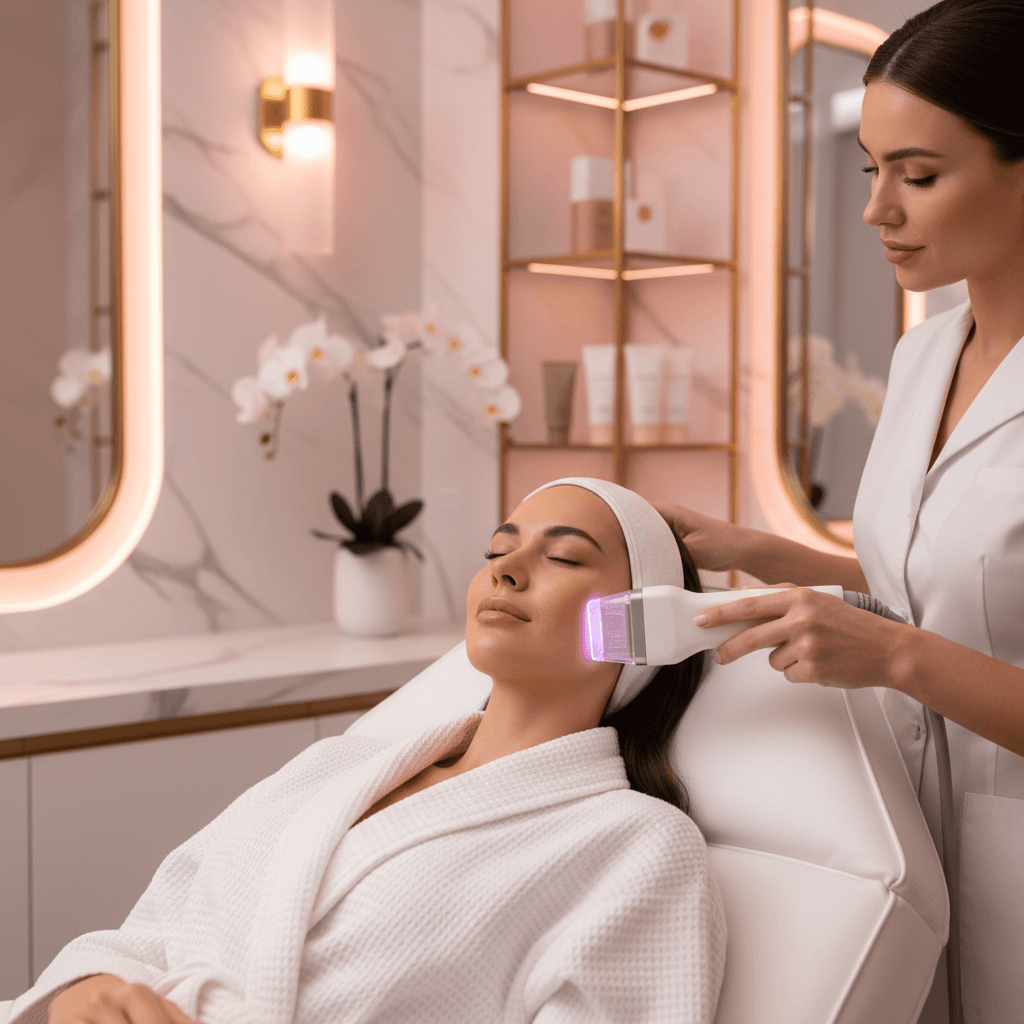
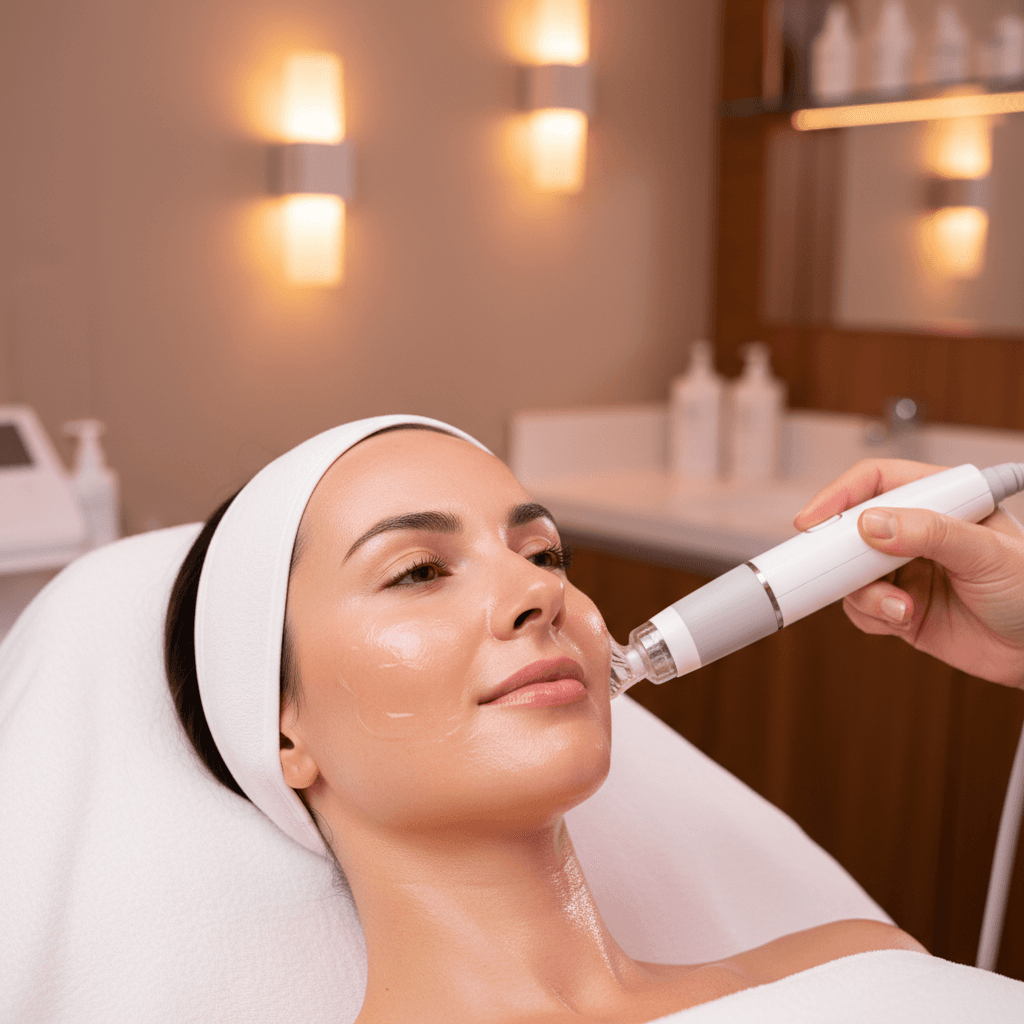
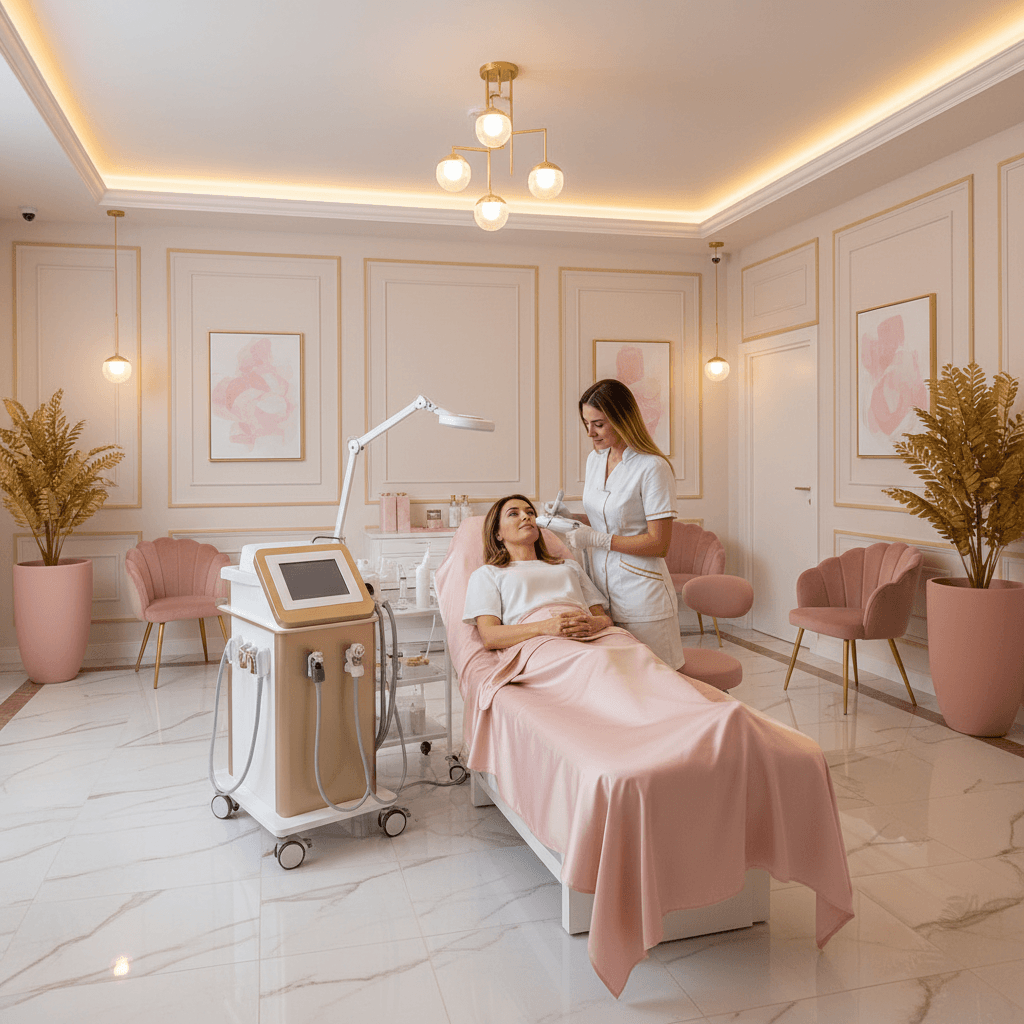
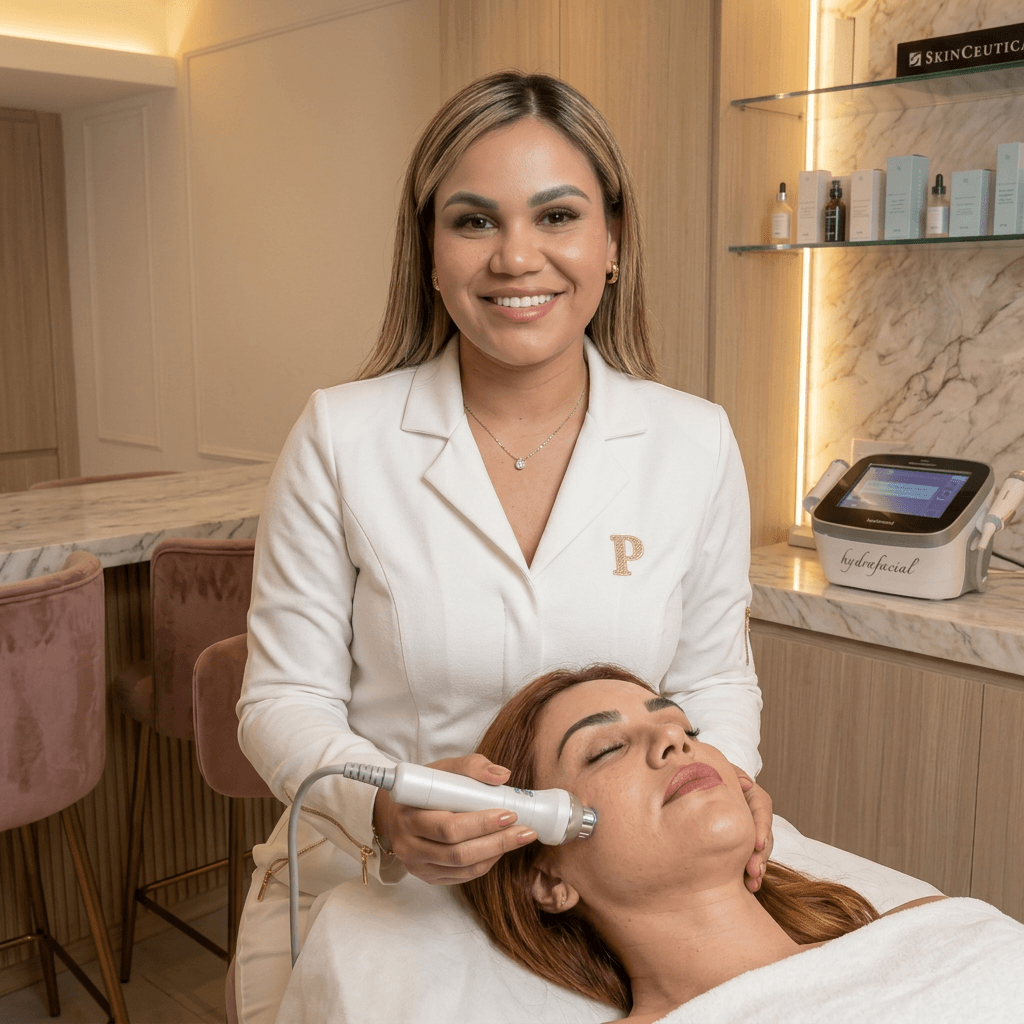
For the face, smaller handpieces are used that allow precise work on delicate areas: lower eyelids, nasolabial folds, the lip contour, and the neck. The main goal is firming, a non-surgical lift, and improved texture.
A cycle of 6-8 weekly sessions is recommended for optimal results, with monthly maintenance sessions. Many patients at our clinic in Bávaro combine it with Botox for a complete effect.
Body Radiofrequency: Areas and Applications
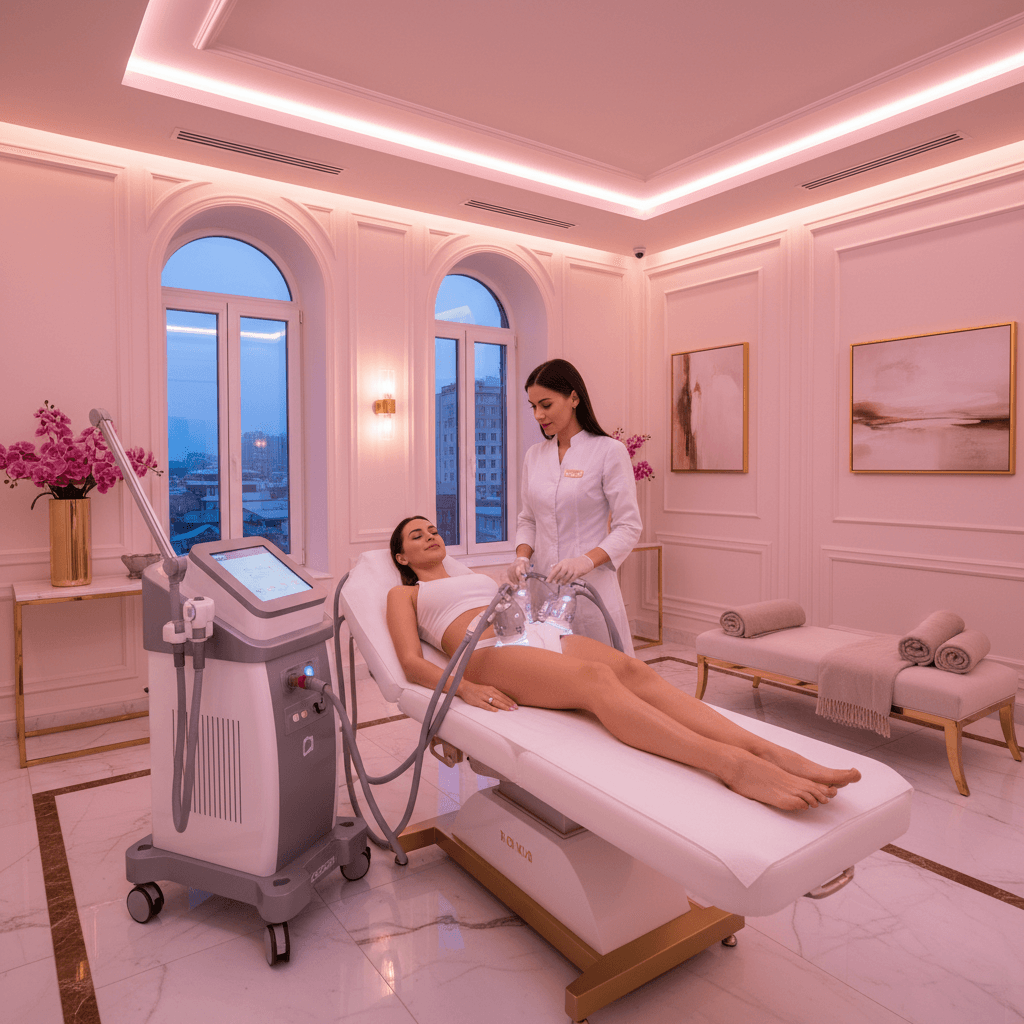
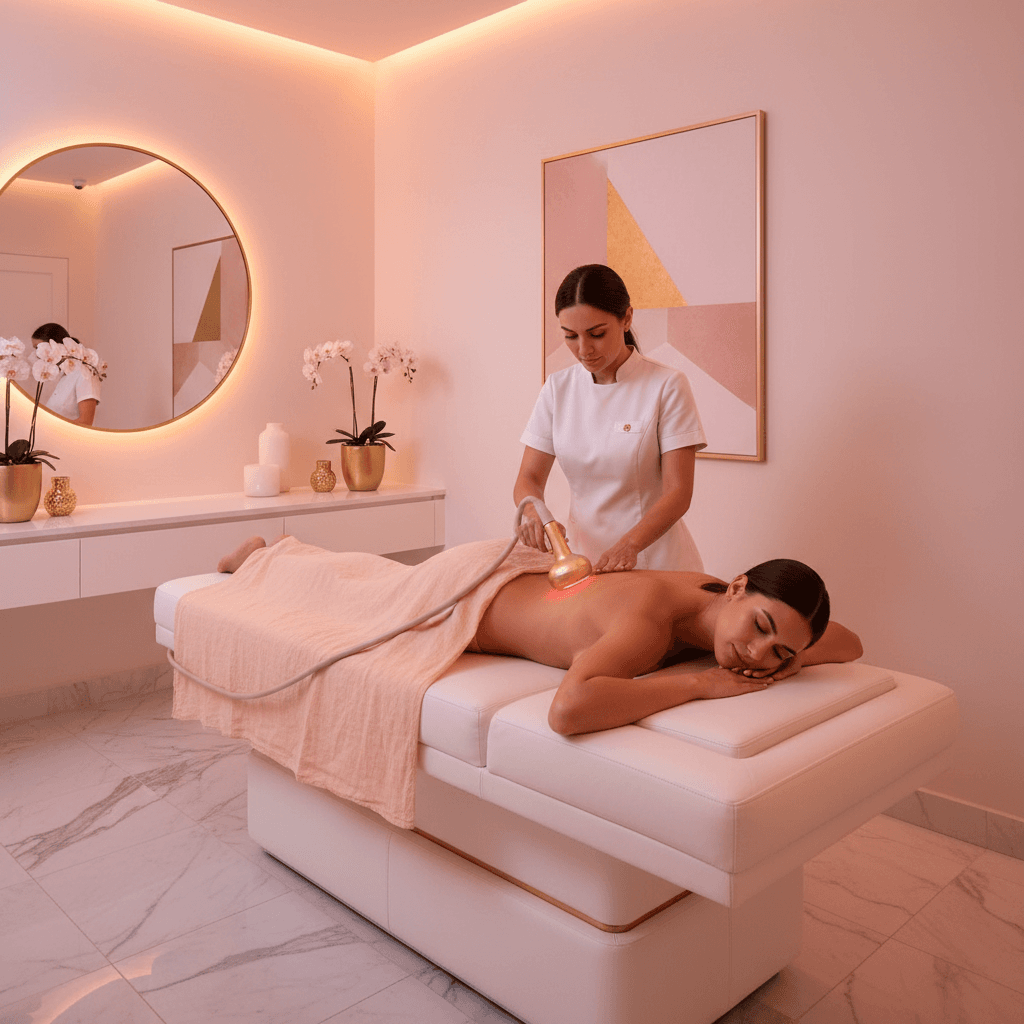
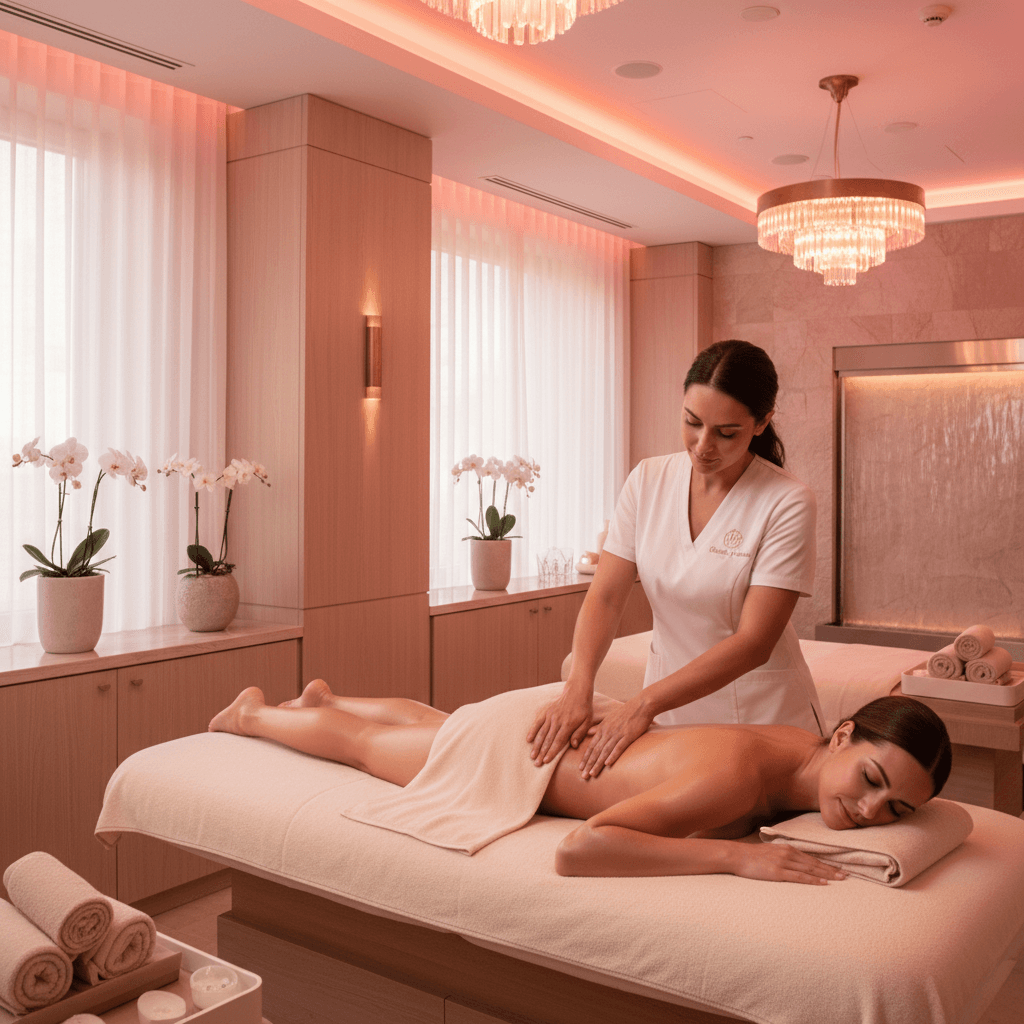
On the body, larger handpieces are used to treat the abdomen, glutes, thighs, arms, and back. The main goals are to reduce the appearance of cellulite, tighten sagging skin, and improve the contour.
- Abdomen: ideal postpartum or after weight loss
- Thighs and glutes: improves cellulite and sagging
- Arms: a very popular area for women over 40
How Many Sessions and When Are Results Visible?
The first changes are noticeable from the third session. The standard protocol is 6 to 10 sessions, on a weekly or biweekly basis. Results improve progressively over 3-6 months after completing treatment, as the new collagen matures.
Consistency is key: this is not a single-session treatment. In Punta Cana, where the warm climate can speed up metabolism, we tend to see very satisfying results with our local protocols.